PlatformUTILITY LIVE
MONOLITH
Own
Digital ownership on XRPL. Claim permanent coordinates, build a public page, and buy or sell tiles through the Tile Market.
Designing, building, and operating XRPL-native products that expand what people can do on the XRP Ledger.
One House. Multiple products. Shared direction. Platforms, education, brands, intellectual property, media, and interactive entertainment built to reinforce the ecosystem.
House of Cauliman connects XRPL platforms, education, brands, media, collections, and games into one ecosystem.
AUGUR BATTLEFIELD • LIVE
AUGUR BATTLEFIELD turns live global $XRP market pressure into a moving battlefield. Blue represents buy pressure. Red represents sell pressure. Troops, tanks, aircraft, explosions, audio, and the front line respond as market pressure changes.
Explore the platforms, brands, tools, collections, and media built inside the House.
Digital ownership on XRPL. Claim permanent coordinates, build a public page, and buy or sell tiles through the Tile Market.
XRPL wallet intelligence, reports, risk analysis, readable ledger interpretation, and AUGUR BATTLEFIELD, a live visualization of global $XRP market pressure.

Digital continuity, vault planning, recovery paths, and legacy protection for crypto holders and families.
Execution infrastructure, automation, trading tools, and future XRPL market utilities.
Plain-English XRPL education for wallets, trustlines, DEX, AMM, safety, and real usage.
Simulation-only XRPL trading competition with real market data, 30-day seasons, portfolio tracking, and global rankings.

Original XRPL collectible universe with characters, story, digital ownership, and future expansion.

Community, humor, XRP culture, and the House personality layer.
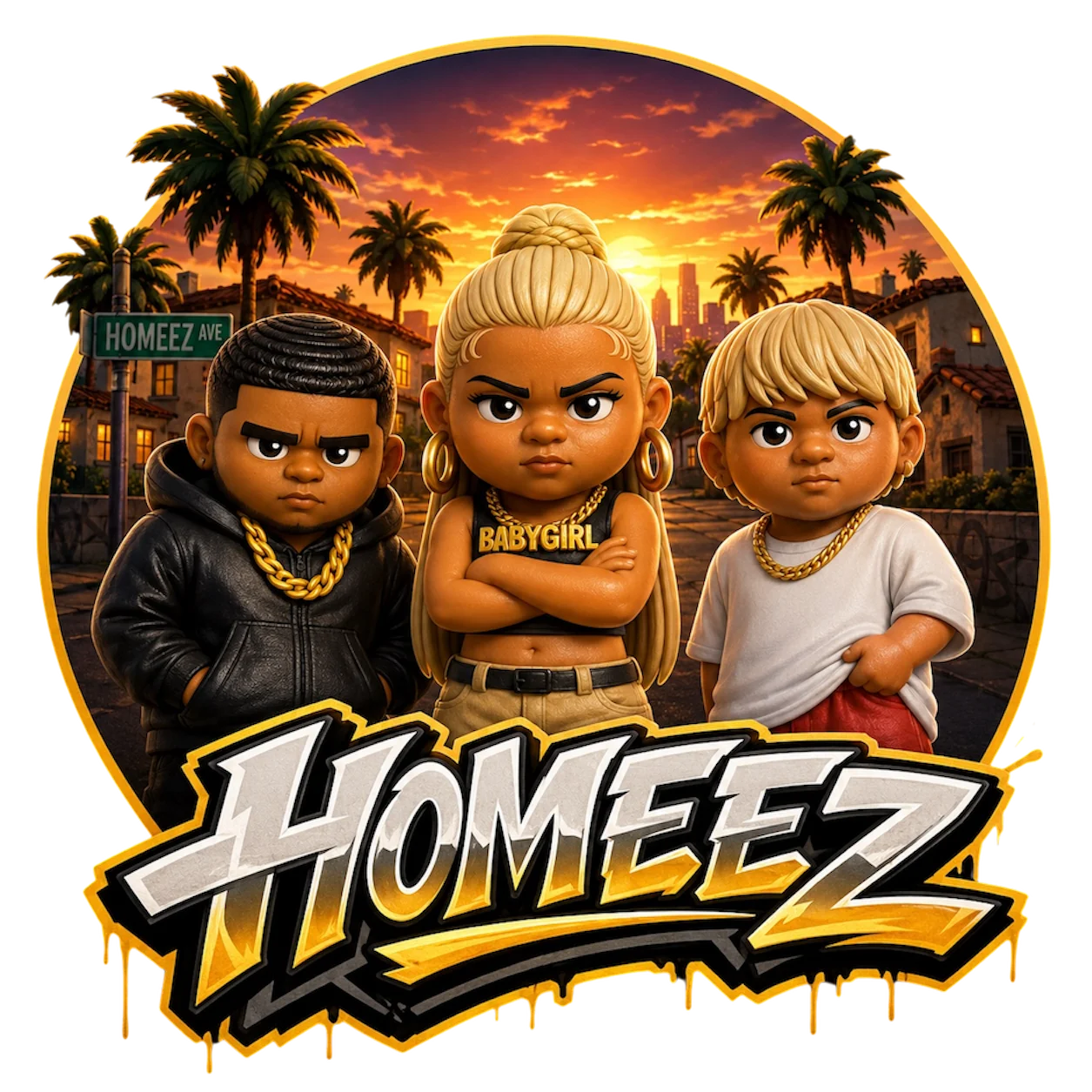
Stylized character collectibles built for XRPL ownership and future experiences.
Premium digital collectibles celebrating builders, creators, and XRP ecosystem culture.
Premium XRP and XRPL wallpaper archive built as a growing visual media line.
Retro dungeon crawler under active development for the House ecosystem.
Each product has one job. Together they create a stronger XRPL ecosystem.
Every House product must solve a real problem, stand on its own, strengthen another part of the ecosystem, respect ownership, and improve over time.
Fast settlement. Low fees. Native DEX. AMM. NFTs. Tokenization. Wallet identity. Proven infrastructure.